

Reimagining Mobility: Trends, Policies, and Strategies Shaping the Future
From Policy to Strategy: Why Transformation Matters
Global mobility is evolving as workforce expectations and business priorities continue to shift. To build resilient, future-ready programs, Mobility and HR leaders must rethink how mobility policies are designed and delivered.
Today’s programs are most effective when they move beyond one-size-fits-all approaches to support diverse employee needs, workforce strategies, and increasingly complex global environments. By combining data-driven insights, industry trends, and stakeholder alignment, organizations can transform mobility from an administrative function into a strategic driver of talent and business success.
Designing the Right Delivery Model
At the heart of every effective mobility program is a well-aligned delivery model. The choices organizations make directly shape both employee experience and program outcomes. When these elements work in harmony, mobility programs can deliver both flexibility and control, supporting business goals and enhancing the employee experience.
- Talent strategy
- Relocation philosophy
- Budget
- Desired employee experience
- Operational capacity
- Voice of stakeholders
- Fully supported/fully managed
- Hybrid (mix of managed services and allowances)
- Menu-based/employee-selected services
- Self-directed/Lump Sum
- Traditional/prescriptive
- Core-flex
- Managed Cap
- Lump Sum
The Continued Rise of Flexibility in Mobility Programs
Flexibility is increasingly becoming the norm in mobility program design, as employees place greater value on support that can be tailored to what matters most to them. That flexibility can take many forms, from cash allowances and cash-in-lieu options to more customized levels of support that sit between fully managed services and self-directed approaches. It can also include choice in how support is delivered, such as selecting between in-person and virtual training.
While Core-Flex remains an effective model for many organizations, it is only one path to achieving flexibility. Today, the broader trend is toward flexible programs that can balance employee choice, business needs, or both, and there are many ways to design programs that achieve that goal.
Lump Sum Programs: A Targeted Approach
Lump sums remain a popular option for specific employee groups, particularly early-career hires, recent graduates, and interns. They offer organizations a cost-effective, easy-to-administer way to provide relocation support while aligning investment levels with talent needs and business objectives.
At the same time, traditional services-based policies continue to serve as the foundation of most mobility programs. Rather than replacing these programs, many organizations are evolving them by introducing greater flexibility to better meet the needs of a diverse workforce.
Navigating Market Realities: Housing and Cost Pressures
As the housing market settles into a new normal, home sale support is becoming more important than ever. Some organizations are reconsidering or adding back benefits they had previously scaled back in stronger markets, including loss-on-sale protection, home sale incentives, fix-up allowances, and other forms of support that can help employees sell their homes and move forward with greater confidence.
Putting Employee Well-being at the Center
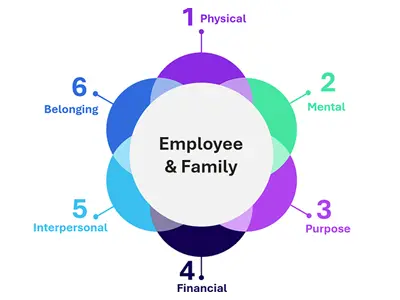
Employee experience has emerged as a key differentiator in mobility. Supporting well-being during relocation directly impacts productivity, retention, acclimation and overall relocation success. Leading organizations are embedding well-being into every stage of the mobility journey. This includes leveraging existing well-being resources, offering direct billing to reduce financial strain, and providing family-focused support.
When employees feel supported, they are better positioned to succeed in their roles and contribute to organizational goals.
Adapting to Regulatory and Policy Changes
Mobility leaders must also navigate an evolving regulatory environment. Changes to repayment agreements, aimed at increasing workforce mobility, are prompting organizations to reassess traditional cost-recovery models.
At the same time, emerging real estate restrictions in certain regions are introducing new complexities for relocating employees, particularly international assignees. These developments reinforce the need for mobility strategies that are both compliant and adaptable.
What’s Driving Change in Mobility?
Several macro trends are accelerating change across the mobility landscape:
Global Forces Shaping Mobility

Function


Mobility

Integration
Together, these forces are reshaping how mobility programs are designed, delivered, and measured.
Where to Begin: Building Your Transformation Roadmap
Designing a future-ready mobility program requires balancing multiple priorities, including cost control, supporting evolving business and talent strategies, maintaining consistency without losing flexibility and delivering a human-centered experience. Not a simple task.
For organizations looking to evolve their mobility programs, the starting point is clarity. Leaders should ask themselves:
- What insights does our data reveal?
- How do our mobility priorities align with our organization’s broader business goals?
- Does our current mobility program support our talent strategy?
- How ready is our organization to embrace change?
Answering these questions lays the foundation for a thoughtful, sustainable transformation.
The Future of Mobility Is Strategic, Flexible, and Human
Mobility is no longer just about moving employees, it’s about enabling opportunity, supporting people, and driving business success. By aligning policy, strategy, and employee experience, mobility leaders can create programs that are efficient and truly transformative.
Are you ready to build strategies and policies that ensure your program is future ready? Contact Sirva’s Global Advisory Services team at GlobalAdvisory@sirva.com to learn more.
Smart. Helpful. Human. Responsible.