
U.S. Government Services
A PROUD RELOCATION MANAGEMENT PROVIDER TO THOSE SERVING OUR COUNTRY
Since 1984, Sirva, dba BGRS, Inc. (“BGRS”), has been a trusted advisor and partner to the nation’s top federal agencies. Our decades-long history of serving the U.S. government is backed by our unparalleled experience in conforming to both the Federal Acquisition Regulation (FAR) and Federal Travel Regulation (FTR) and our deep understanding of the General Services Administration’s (GSA’s) stringent relocation policy requirements and guidelines.
Since the award of our first Government contract in 1984, we have supported 40+ federal and quasi-governmental agencies and managed more than 147,500 U.S. federal moves. We have also expertly handled 280,000 moves for the Canadian Government over the past 15 years.

OUR EXPERIENCE HAS YOU COVERED
As the relocation industry’s leading federal contractor, we offer complete, reliable relocation services in full compliance with the GSA Schedule 48 and all U.S. government contracting requirements. We value our long-standing relationship with the U.S. government and take our responsibility to the federal agencies and employees we serve seriously.
Highlighting our experience and leadership in serving the government sector, we have proudly played a key role in the following federal community forums for many years:
- Senior Executives Association (SEA) Corporate Advisory Council: Serve as an advocate for our government clients’ relocation interests to federal leaders.
- Government Relocation Advisory Board (GRAB): Served as an active member focused on transforming the relocation provisions of the FTR.
Our agency clients are governed by the highest ethical standards and quality control elements:

GOVERNMENT-TRAINED AND GOVERNMENT-CLEARED PERSONNEL:
All dedicated team members are U.S. citizens and hold or are in the process of obtaining Position of Public Trust security clearances.

STRINGENT SECURITY PROTOCOLS:
All systems, facilities, personnel, and data accessibility are U.S-based and carefully constructed to adhere to government standards and protect the sensitive information entrusted to us.

SECURE RELOCATION MANAGEMENT PORTAL:
Adheres to the highest global standards for data security with multi-factor authentication, biometrics, and user-level validation.

PROPRIETARY GCERTIFIED™ PROGRAM:
All dedicated government team members and service partners are required to participate in a Sirva, dba BGRS-developed course to learn FTR/FAR requirements and understand government culture.
Sirva, dba BGRS, Inc., stands as a steadfast and proud relocation service partner to the U.S. government. With a commitment to excellence, efficiency, and unparalleled service, we have consistently demonstrated its ability to meet the unique needs and challenges of government-sponsored relocations. Through innovative solutions, rigorous adherence to compliance, and a dedicated team of professionals, we ensure that every relocation undertaken in partnership with the U.S. government is executed with precision and care.
MORE THAN A MOVER
In addition to providing relocation management services, we play a pivotal role in supporting U.S. federal government agencies in crafting relocation strategies that seamlessly integrate with overarching talent management objectives. By leveraging our expertise and experience in mobility solutions, we ensure that relocation initiatives align closely with broader talent management goals.

SPOUSE AND PARTNER ASSISTANCE:
We provide personalized services to help facilitate integration into the new community, such as mentor and support networks and career assistance, which may include resume writing and interviewing, introductions/networking opportunities, and traditional job placement services in the destination location.
CAREER ADVANCEMENT:
We support a mobile employee's career advancement through a range of relocation service solutions and policies designed to facilitate professional growth and development. We enable mobile employees to seamlessly transition to new roles and opportunities while supporting their long-term professional success within the organization.


Employee Retention:
We contribute to our government clients’ employee retention by facilitating smooth transitions and providing personalized support throughout the relocation process, enhancing job satisfaction, maintaining loyalty, and safeguarding institutional knowledge.
By connecting relocations with these critical goals, Sirva, dba BGRS, not only facilitates efficient moves but also actively contributes to the long-term success and effectiveness of U.S. federal government agencies' talent management strategies.
As we look towards the future, we remain unwavering in our dedication to facilitating seamless transitions for government employees and their families, thereby upholding our shared commitment to service, integrity, and excellence.

RELOCATION SERVICES
We have been authorized by the GSA to provide the following relocation services to the federal government under Schedule Title: Transportation, Delivery & Relocation Services; SIN 531 (Schedule 48); Contract number: GS-33F-001HA.
The following Multiple Award Schedule (MAS) outlines the Special Item Numbers (SINs) we are approved to provide to the U.S. government:

653-1 Home Sale

653-4 Entitlement Counseling

653-1B Marketing Assistance

653-5 Agency Customizes Services

653-5 Property Management

653-7 Move Management
For a complete history and listing of services, please refer to our GSA-Approved Catalog.
Reimagining Mobility: Trends, Policies, and Strategies Shaping the Future

From Policy to Strategy: Why Transformation Matters
Global mobility is evolving as workforce expectations and business priorities continue to shift. To build resilient, future-ready programs, Mobility and HR leaders must rethink how mobility policies are designed and delivered.
Today’s programs are most effective when they move beyond one-size-fits-all approaches to support diverse employee needs, workforce strategies, and increasingly complex global environments. By combining data-driven insights, industry trends, and stakeholder alignment, organizations can transform mobility from an administrative function into a strategic driver of talent and business success.
Designing the Right Delivery Model
At the heart of every effective mobility program is a well-aligned delivery model. The choices organizations make directly shape both employee experience and program outcomes. When these elements work in harmony, mobility programs can deliver both flexibility and control, supporting business goals and enhancing the employee experience.
- Talent strategy
- Relocation philosophy
- Budget
- Desired employee experience
- Operational capacity
- Voice of stakeholders
- Fully supported/fully managed
- Hybrid (mix of managed services and allowances)
- Menu-based/employee-selected services
- Self-directed/Lump Sum
- Traditional/prescriptive
- Core-flex
- Managed Cap
- Lump Sum
The Continued Rise of Flexibility in Mobility Programs
Flexibility is increasingly becoming the norm in mobility program design, as employees place greater value on support that can be tailored to what matters most to them. That flexibility can take many forms, from cash allowances and cash-in-lieu options to more customized levels of support that sit between fully managed services and self-directed approaches. It can also include choice in how support is delivered, such as selecting between in-person and virtual training.
While Core-Flex remains an effective model for many organizations, it is only one path to achieving flexibility. Today, the broader trend is toward flexible programs that can balance employee choice, business needs, or both, and there are many ways to design programs that achieve that goal.
Lump Sum Programs: A Targeted Approach
Lump sums remain a popular option for specific employee groups, particularly early-career hires, recent graduates, and interns. They offer organizations a cost-effective, easy-to-administer way to provide relocation support while aligning investment levels with talent needs and business objectives.
At the same time, traditional services-based policies continue to serve as the foundation of most mobility programs. Rather than replacing these programs, many organizations are evolving them by introducing greater flexibility to better meet the needs of a diverse workforce.
Navigating Market Realities: Housing and Cost Pressures
As the housing market settles into a new normal, home sale support is becoming more important than ever. Some organizations are reconsidering or adding back benefits they had previously scaled back in stronger markets, including loss-on-sale protection, home sale incentives, fix-up allowances, and other forms of support that can help employees sell their homes and move forward with greater confidence.
Putting Employee Well-being at the Center
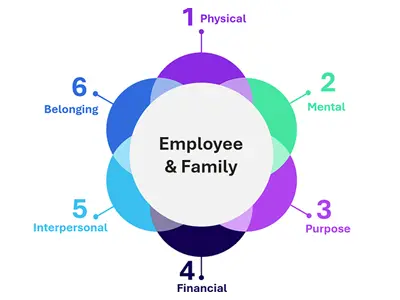
Employee experience has emerged as a key differentiator in mobility. Supporting well-being during relocation directly impacts productivity, retention, acclimation and overall relocation success. Leading organizations are embedding well-being into every stage of the mobility journey. This includes leveraging existing well-being resources, offering direct billing to reduce financial strain, and providing family-focused support.
When employees feel supported, they are better positioned to succeed in their roles and contribute to organizational goals.
Adapting to Regulatory and Policy Changes
Mobility leaders must also navigate an evolving regulatory environment. Changes to repayment agreements, aimed at increasing workforce mobility, are prompting organizations to reassess traditional cost-recovery models.
At the same time, emerging real estate restrictions in certain regions are introducing new complexities for relocating employees, particularly international assignees. These developments reinforce the need for mobility strategies that are both compliant and adaptable.
What’s Driving Change in Mobility?
Several macro trends are accelerating change across the mobility landscape:
Global Forces Shaping Mobility

Function


Mobility

Integration
Together, these forces are reshaping how mobility programs are designed, delivered, and measured.
Where to Begin: Building Your Transformation Roadmap
Designing a future-ready mobility program requires balancing multiple priorities, including cost control, supporting evolving business and talent strategies, maintaining consistency without losing flexibility and delivering a human-centered experience. Not a simple task.
For organizations looking to evolve their mobility programs, the starting point is clarity. Leaders should ask themselves:
- What insights does our data reveal?
- How do our mobility priorities align with our organization’s broader business goals?
- Does our current mobility program support our talent strategy?
- How ready is our organization to embrace change?
Answering these questions lays the foundation for a thoughtful, sustainable transformation.
The Future of Mobility Is Strategic, Flexible, and Human
Mobility is no longer just about moving employees, it’s about enabling opportunity, supporting people, and driving business success. By aligning policy, strategy, and employee experience, mobility leaders can create programs that are efficient and truly transformative.
Are you ready to build strategies and policies that ensure your program is future ready? Contact Sirva’s Global Advisory Services team at GlobalAdvisory@sirva.com to learn more.
Smart. Helpful. Human. Responsible.